California Winter Storm Preparation - How to Get Your Windows and Doors Rain-Ready
California Winter Storm Preparation. How to Get Your Windows and Doors Rain-Ready
A California winter can bring more than a welcome change in temperature. Heavy rain, powerful wind, localized flooding, debris, and power outages can all put a home to the test. This season deserves particular attention: NOAA’s Climate Prediction Center reports that El Niño is strengthening, with a strong-to-very-strong event likely through January–March 2027. That can increase the likelihood of impactful winter weather, but it does not guarantee a wet season or predict what will happen at any one home.
The best time to prepare is before the first major storm is in the forecast. A quick inspection of your windows, doors, drainage, and emergency basics can help you spot small problems before they turn into stressful leaks or costly repairs.

Below is a practical checklist for California homeowners who want to head into winter feeling more prepared.
Important: Window and door maintenance can help manage drafts and minor water intrusion, but it does not make a home floodproof. If your property is in a flood-prone area, near a burn scar, or on a slope, know your risk, follow local instructions, and make an evacuation plan.
Start With a Walk-Around of Your Home
Choose a dry day, then walk around the outside and inside of your home. You are looking for signs that water or air may be finding an unintended path around an opening.
Pay close attention to:
- Cracked, separated, or missing caulk around exterior frames
- Worn, flattened, or brittle weatherstripping
- Door sweeps that no longer meet the threshold evenly
- Window frames that appear warped, soft, corroded, or damaged
- Water stains, peeling paint, bubbling drywall, or musty odors near windows and doors
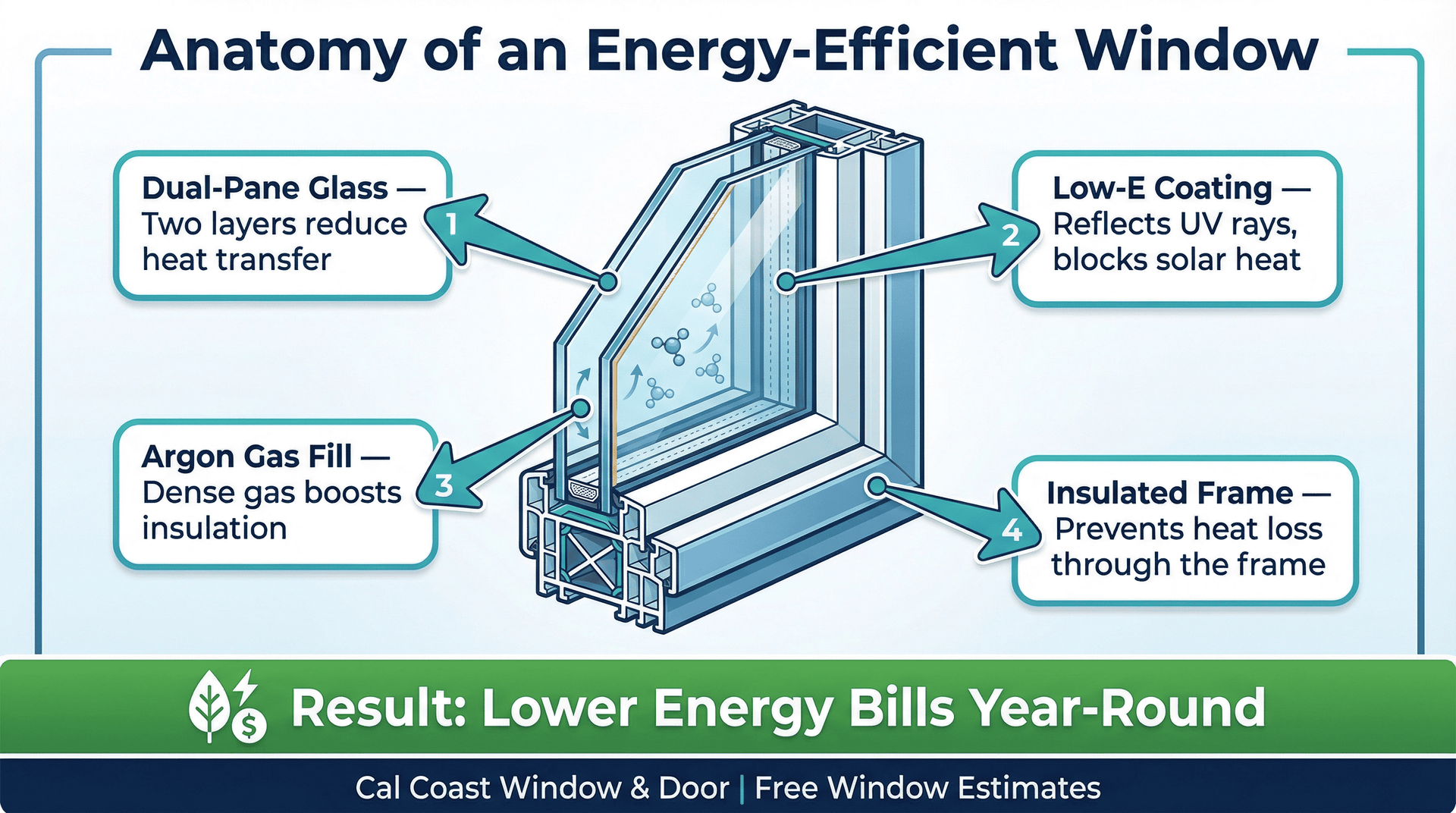
- Condensation or fogging between insulated glass panes
- Windows or doors that rattle, stick, will not lock, or need extra force to close
A clean, well-sealed opening is one of your first lines of defense against wind-driven rain and chilly drafts. California’s Office of Emergency Services also recommends weatherstripping and caulking windows and doors to help keep cold air out during winter weather.
1. Clean Window Tracks, Door Thresholds, and Drainage Paths
Leaves, dirt, pet hair, and everyday debris can collect in sliding-door tracks, window sills, and thresholds. When rain arrives, that buildup can keep water from draining as intended.
Use a soft brush or a vacuum with a narrow attachment to remove loose debris. Wipe the area with a damp cloth, then dry it thoroughly. For sliding doors, make sure the rollers and track are free of grit that can make the panel difficult to operate.
Many window systems include small exterior drainage openings, often called weep holes. These are designed to let incidental water escape. Do not tape, caulk, or otherwise block them. If you are not sure where the drainage path is, check the manufacturer’s care instructions or ask a qualified window professional before making changes.
2. Check Weatherstripping, Caulk, and Door Sweeps
Weatherstripping is the compressible material that helps seal the moving edges of a window or door. Caulk seals fixed gaps between the frame and the exterior wall. A door sweep closes the gap at the bottom of the door.
These small components do a lot of work, but they do not last forever. Temperature changes, direct sun, repeated use, and age can leave them stiff, torn, or detached.
Here is a simple way to check them:
- Look closely. Search for cracks, gaps, loose sections, and areas where the material has pulled away.
- Feel for drafts. On a breezy day, carefully move your hand around the interior perimeter of a closed window or door. Notice any obvious air movement.
- Test the seal. Close and lock the opening. It should feel secure without needing to slam, pull hard, or force the latch.
- Check the threshold. A door sweep should make even contact with the threshold without dragging excessively.
Replacing worn weatherstripping or refreshing failed caulk can be a sensible maintenance task. However, a recurring draft or leak may point to a larger issue with the frame, glass, flashing, wall opening, or installation. In that case, treating only the surface symptom may not solve the problem.
3. Test Every Window and Exterior Door Before the Storms Arrive
Do not wait until rain is blowing sideways to discover that a window will not latch or a patio door is difficult to close.
Open, close, and lock each exterior window and door. Check that sliding doors move smoothly and hinged doors close squarely in the frame. Pay special attention to less frequently used openings, such as a guest-room window, side entry, garage service door, or rear patio door.
A properly operating lock does more than support security. It also helps pull the sash or door panel into the weatherstripping so the system can perform as intended.
If an opening sticks, drags, will not lock, or needs force to move, arrange an evaluation before severe weather. Avoid forcing a window or door. Forcing the hardware can damage the unit and may leave the opening harder to secure when you need it most.
4. Help Water Move Away From the House
Your windows and doors are only one part of the home’s water-management system. Rain should have a clear path from the roof, through gutters and downspouts, and away from the foundation and exterior openings.
Before winter, consider these basic checks:
- Clear leaves and debris from gutters and downspouts.
- Confirm that downspouts are directing water away from the home rather than emptying beside an entry, window well, or foundation.
- Look for standing water near exterior doors after irrigation or a light rain.
- Check that exterior drains and grates near patios, driveways, and lower-level entries are clear.
- Trim dead or overhanging branches that could fall on the house or obstruct drainage. For high branches or any hazardous tree work, hire a qualified professional.
Cal OES specifically advises Californians to clear gutters as fall leaves accumulate, noting that backups can overflow and cause damage or flooding around the home.
5. Prepare for Wind, Not Just Rain
A storm’s wind can turn ordinary outdoor items into projectiles. Before an advisory or major storm arrives, secure or bring inside patio furniture, umbrellas, planters, lightweight décor, trash bins, and anything else that could blow into glass or damage an exterior door.
Look around for loose screens, damaged storm doors, unsecured gates, or exterior hardware that needs attention. If you have a large window or door near a tree, take a moment to inspect the branches above it.
California’s severe-storm guidance recommends securing outdoor items and addressing dead trees or overhanging branches near structures when high winds are expected.
6. Build a Simple Storm-Ready Plan for Your Household
A prepared home is about more than the building envelope. A storm can interrupt power, roads, communication, and access to everyday supplies.
Create a small, accessible kit with essentials such as water, shelf-stable food, medications, a first-aid kit, flashlights, spare batteries, a phone power bank, pet supplies, and copies of important documents. If someone in your household uses a medical device that needs electricity, make a specific plan with their care provider and support network.
Sign up for county or city emergency alerts and your utility provider’s outage notifications. Listos California recommends keeping enough water and non-refrigerated food for every household member for at least three days, along with a plan for power-dependent medical needs.
Also refresh these safety basics before cold weather arrives:
- Test smoke alarms and carbon monoxide alarms.
- Keep flashlights handy; avoid relying on candles during an outage.
- Never use a gas stove or oven to heat your home.
- If you use a generator, operate it outdoors only and well away from doors and windows. Never run one in a garage, basement, or enclosed space.
What to Do When a Storm Is in the Forecast
A forecast is your cue to finish the small tasks—not to start risky repair projects in bad weather.
Use this quick pre-storm checklist:
- Check local forecasts and official alerts.
- Close and lock all windows and exterior doors.
- Clear loose debris from tracks and thresholds.
- Bring in or secure outdoor furniture and bins.
- Charge phones and backup batteries.
- Move vehicles away from large trees or areas that commonly flood, if it is safe to do so.
- Keep a flashlight, towels, and a bucket accessible for a minor indoor drip.
- Review your household’s communication and evacuation plan.
It is also useful to understand the language in weather alerts. A Flood Watch means conditions are favorable for flooding; it is time to prepare. A Flood Warning means flooding is imminent or occurring; take action and follow directions from local officials.
If You Notice a Leak During a Storm
First, put safety ahead of property. Do not climb onto the roof, use a ladder in high winds, or attempt exterior repairs during an active storm.
For a small amount of water around a window or door, protect flooring with towels or a shallow container and move valuables away from the area. Take clear photos and notes once it is safe; documentation can help a professional identify the pattern and support any insurance conversation.
If water is approaching electrical outlets, fixtures, or appliances, keep clear of the area and contact a qualified electrician or emergency service as appropriate. If authorities issue an evacuation order, leave when directed. Never drive or walk through floodwater.
After the Storm: Inspect Before the Next One
Once conditions are safe, take another walk around your home. Look for standing water, damaged screens, torn weatherstripping, new stains, swollen trim, loose caulk, or a window or door that no longer operates normally.
Do not ignore a leak just because it stopped when the rain did. Water can travel behind siding, trim, and drywall before it becomes visible. Addressing the source early can help limit the risk of ongoing moisture damage.
When It Is Time to Call a Window and Door Professional
Seasonal cleaning and minor maintenance can go a long way. But some signs deserve a closer look from a qualified professional:
- Water comes in around the same opening during multiple storms.
- A window or door will not close, latch, or lock securely.
- You see rot, corrosion, damaged frames, or deteriorated trim.
- Insulated glass looks foggy between the panes.
- Drafts remain after weatherstripping and basic maintenance.
- A sliding door is difficult to move, comes off track, or has damaged rollers.
- You suspect the issue extends beyond the window or door itself.
At Cal Coast Window & Door, we help Bay Area homeowners evaluate aging, drafty, damaged, and underperforming windows and exterior doors. Whether your goal is to address a recurring leak, improve comfort, or plan a long-term replacement project, a professional assessment can help you understand the condition of the opening and the options that make sense for your home.
Get Ahead of Winter Weather
A few hours of preparation now can make your home feel more comfortable and help you respond with confidence when the weather changes. Start with the windows and doors you use every day, work through the rest of the checklist, and give yourself time to address anything that needs professional attention.
Concerned about a drafty window, a difficult patio door, or signs of water intrusion? Contact Cal Coast Window & Door to request a no-obligation consultation.
Official California Storm Resources
For real-time storm conditions and emergency instructions, always follow local officials. These resources can help you prepare:
- California Storm Season Safety from the California Governor’s Office of Emergency Services
- Listos California Severe Storms
- National Weather Service Flood Safety
- National Weather Service: Flood Watch vs. Flood Warning
References
[1] NOAA Climate Prediction Center ENSO Diagnostic Discussion — October 8, 2026
[2] California El Niño Preparedness Guidance
[3] California Office of Emergency Services Storm Season Safety